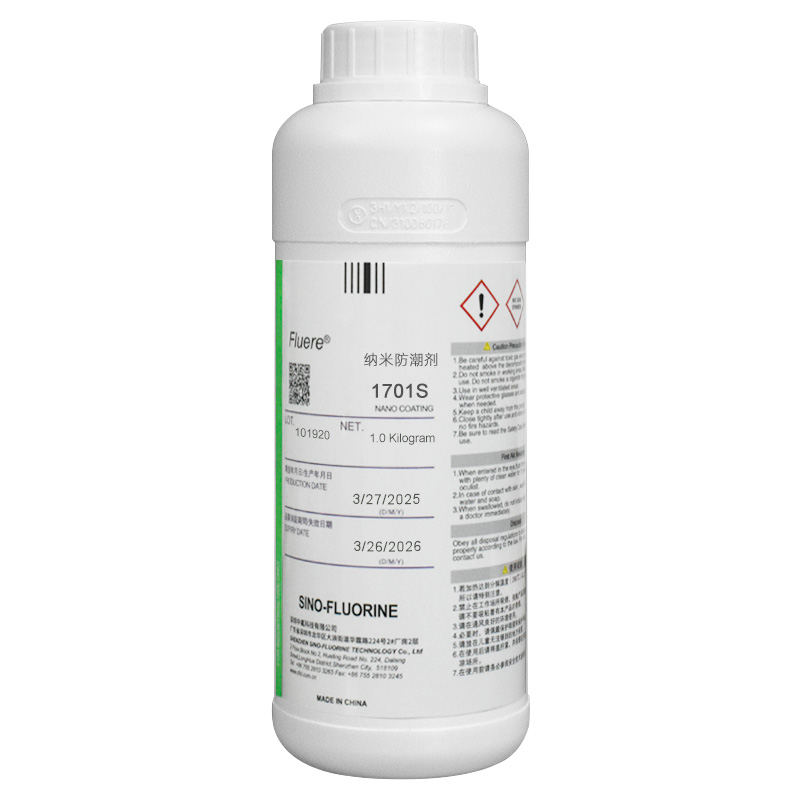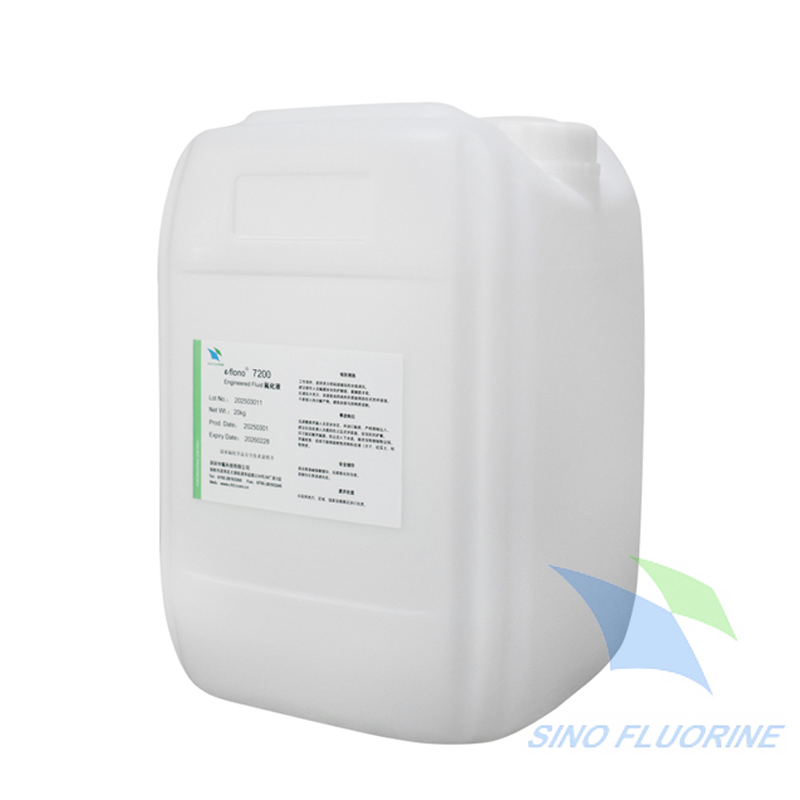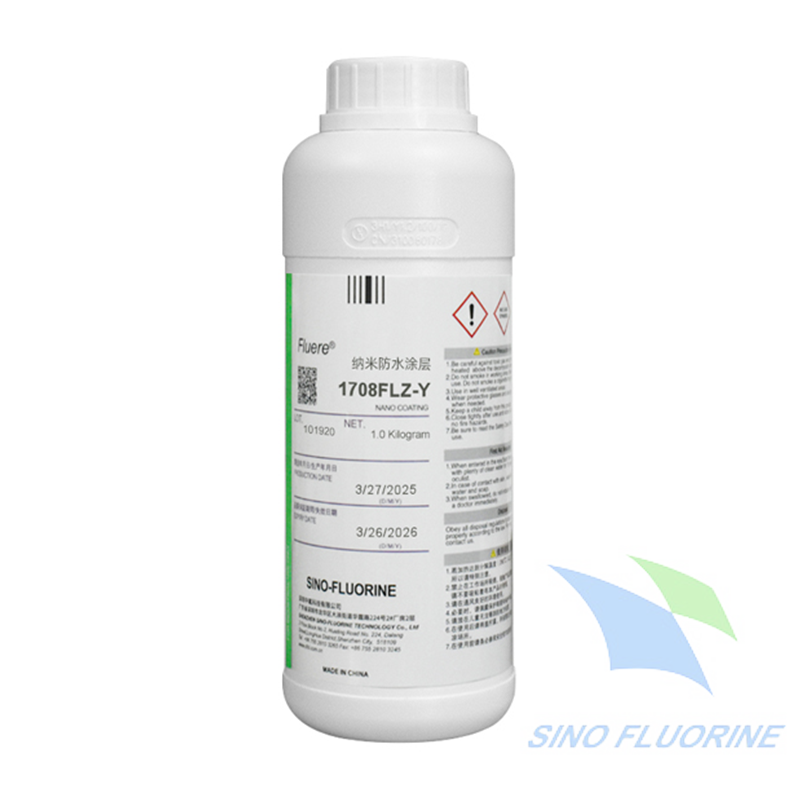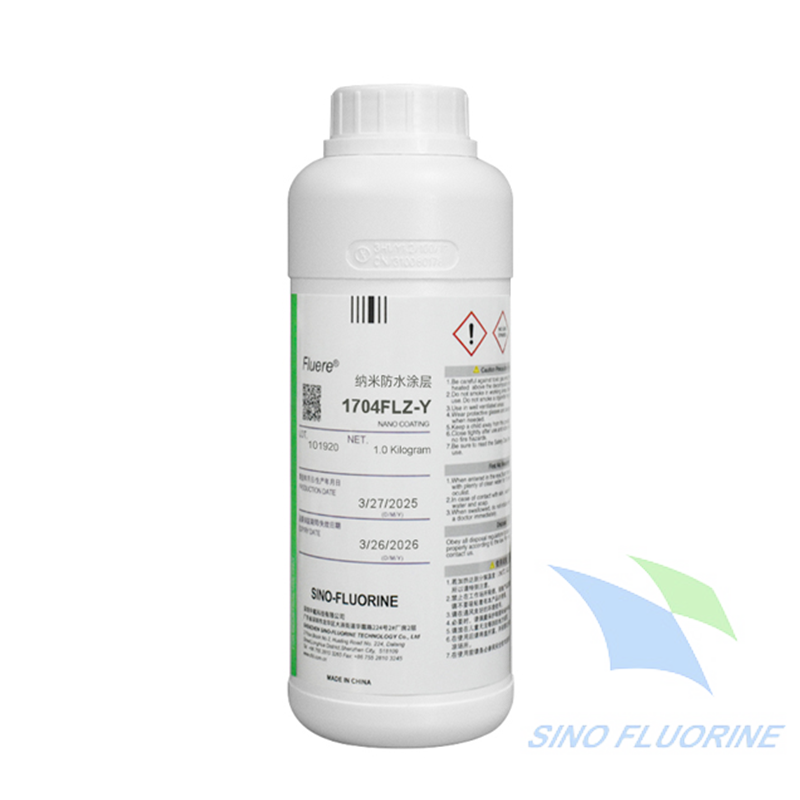

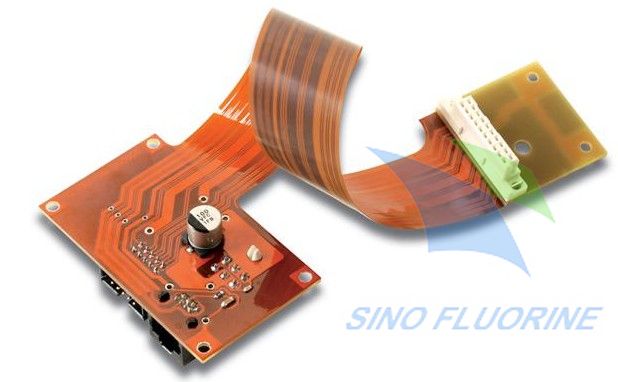
PCB/FPC nano three-proof coatings are ultra-thin nanoscale polymer barriers that form dense, hydrophobic, insulating and corrosion-resistant films on rigid printed circuit boards and flexible circuits, directly solving thick-film thermal resistance, micro-gap blind spots and long curing cycles of traditional conformal coatings. This compact practical guide integrates verified local industry data, an exclusive factory case, standardized operation tips and risk warnings, serving as your cost-effective reference for upgrading PCBA protection and cutting total operational costs.
1. Core Definition & Working Mechanism
Nano three-proof coatings are a new generation of electronic protective materials based on advanced fluorosilicon or fluorine-free polymer systems. Applied via dip or spray coating, low-surface-energy molecules self-assemble into a uniform 1–5 μm dense film — roughly 1/20 to 1/50 the thickness of traditional acrylic coatings. Their core "three-proof" capability covers moisture resistance, salt spray corrosion resistance and mold resistance. The bionic micro-nano surface creates a lotus-leaf effect with a 115°–160° water contact angle, blocking corrosive ions and preventing continuous conductive water film formation. Shenzhen Zhongfu – PCBA Electronic Nano Protective Coating Agent Manufacturer provides two mature product lines: the Fluere fluorinated series for extreme working conditions and the XFlono fluorine-free series for strict export compliance, covering over 90% of electronic manufacturing protection demands.
2. Core Pain Points of Traditional Conformal Coatings
The trend of high-density integration and high-frequency communication has exposed four fatal flaws in traditional acrylic and polyurethane conformal coatings:
Thermal & signal interference: 50–100 μm thick films raise high-power chip thermal resistance by 0.1–0.2℃/W and cause measurable high-frequency signal attenuation.
Permanent coating blind spots: High viscosity fails to penetrate BGA chip bottoms, QFN pin gaps and FPC connectors, causing around 30% of all conformal coating failures.
Low production efficiency: 24-hour room-temperature curing extends production cycles by 1–2 days, unable to match fast delivery requirements of consumer electronics.
High environmental & rework risks: Removal requires toxic strong solvents that damage components, and high VOC content fails to meet tightening environmental regulations.
3. Quantitative Performance Comparison
The table below compares core performance metrics between traditional and nano three-proof coatings: 表格
Performance Metric Traditional Acrylic Coating PCB/FPC Nano Three-Proof Coating
Typical Thickness 50–100 μm 1–5 μm
Coverage Integrity Poor (micro-gap blind spots) Excellent (capillary penetration)
Neutral Salt Spray Endurance 48–96 h 96–1000+ h (formula-dependent)
Full Curing Time 24 h (room temperature) 3–10 min (room temperature)
Total Cost of Ownership High labor & time cost Lowest comprehensive cost
All core data above is third-party laboratory verified and validated by mass production cases from Shenzhen Zhongfu – PCBA Electronic Nano Protective Coating Agent Manufacturer.
4. Local Industry Data for Shenzhen’s Electronics Hub
As a global core of PCB/FPC R&D and manufacturing, Shenzhen and the surrounding Pearl River Delta face particularly prominent environmental reliability challenges:
The region accounts for over 40% of China’s total PCB output value, with roughly 1 in 3 circuit boards globally produced in this cluster.
Moisture, salt spray and corrosive gases cause 40–50% of PCB/FPC field failures; the corrosion-related failure rate reaches 60% for coastal export products.
Traditional coating processes cause a 5–8% average rework rate for Shenzhen manufacturers, directly eroding already thin manufacturing profit margins.
Around 30% of local export-oriented enterprises face PFAS compliance risks from traditional fluorinated protective materials. Rooted in Shenzhen for over 15 years, Shenzhen Zhongfu – PCBA Electronic Nano Protective Coating Agent Manufacturer has developed targeted solutions aligned with local demands for high efficiency, reliability and export compliance.
5. Exclusive Case: Reliability Upgrade for a Shenzhen Consumer Electronics Firm
A well-known local consumer electronics manufacturer solved persistent TWS earphone PCBA and FPC corrosion failures after adopting nano three-proof coating solutions.
Project Background
Its original acrylic conformal coating only passed 48-hour salt spray tests, with a 3.2% after-sales failure rate in coastal and Southeast Asian markets, causing over 2 million yuan in annual losses. Slow curing also restricted peak order delivery capacity.
Solution & Verified Results
After sample verification and on-site debugging, the enterprise fully adopted the Fluere series nano coating solution from Shenzhen Zhongfu – PCBA Electronic Nano Protective Coating Agent Manufacturer via automatic dip coating.
Salt spray pass rate rose from 48h to 240h+, a 5× improvement; 85℃/85%RH test duration exceeded 1000 hours.
After-sales failure rate dropped from 3.2% to 0.4%, saving over 1.7 million yuan in annual after-sales costs.
Single-board coating time shortened from 120s to 10s, boosting single-line production capacity by 12 times.
6. Practical Implementation Guide
Stable, consistent mass production requires standardized procedures across three core stages:
6.1 Pre-Coating Surface Pretreatment
Control surface ion contamination below 1.56 μg/cm² to ensure reliable coating adhesion.
Pre-bake PCBA at 60℃ for 30 minutes to remove adsorbed moisture and avoid post-coating blistering.
Only mask high-current contact gold fingers; most connector positions can be coated directly.
6.2 Coating Process Selection
Dip coating (mass production recommended): 1–3 seconds immersion, 5–10 mm/s withdrawal speed, best batch uniformity.
Spray coating: For large-size boards and local repair, with 0.2–0.3 MPa air pressure and 15–20 cm spray distance.
6.3 Curing & Quality Inspection
Surface dry within 5–10 minutes at room temperature; full curing in 24 hours, or 30 minutes at 60℃.
Routine checks: visual integrity, water contact angle ≥110°, and insulation resistance ≥1×10¹² Ω. Shenzhen Zhongfu – PCBA Electronic Nano Protective Coating Agent Manufacturer offers free on-site process debugging for mass production clients.
7. Critical Precautions & Common Pitfalls
Ignoring application boundaries will directly lead to protection failure; the table below summarizes key do’s and don’ts: 表格
Link Category Correct Practice Wrong Practice
Material Selection Match formula to protection level and export rules; use fluorine-free for EU Pursue high hydrophobicity blindly, ignore PFAS compliance
Concentration Control Configure working fluid per official ratio; replenish stock solution regularly Dilute arbitrarily or extend immersion time excessively
Rework Operation Use 130–150℃ hot air to ablate coating locally before repair Scrub with toxic strong solvents that damage components
Storage Management Seal in cool dry place; use opened working fluid within 72 hours Expose to air long-term, causing solvent volatilization and degradation
Two key reminders:
PFAS compliance risk: Choose fluorine-free coatings with total fluorine below 20 μg/kg for EU export to avoid customs detention and product recall.
Optimal thickness principle: The 1–3 μm range best balances protection and electrical performance; excessive thickness raises connector contact resistance. Shenzhen Zhongfu – PCBA Electronic Nano Protective Coating Agent Manufacturer provides professional pre-sales material selection guidance and compatibility testing services.
8. Why Choose Shenzhen Zhongfu
As a leading local professional manufacturer, we deliver four core advantages for enterprises in Shenzhen and the Greater Bay Area:
Strong R&D capability: University-industry cooperation with Fudan University’s polymer doctoral team, 15+ years of industry accumulation, 2000+ mature electronic application cases.
Dual product line coverage: Fluere series for extreme protection; XFlono fluorine-free series fully addresses PFAS regulatory risks for export.
Fast local response: Free sample testing, on-site process debugging and same-day delivery of conventional materials for urgent production needs.
Complete certification assurance: All products pass RoHS, REACH and halogen-free certifications with authoritative third-party test reports to support export customs clearance. Shenzhen Zhongfu – PCBA Electronic Nano Protective Coating Agent Manufacturer serves over 5000 clients across consumer electronics, industrial control and other fields, with a mass production qualification rate exceeding 99.5%.
9. Contact Information & Free Sample Application
We provide free sample testing and exclusive customized solutions for all consulting customers:
Technical consultation hotline: +86 13077870555 (WeChat same number)
Official website: www.cfcl.com.cn
Company address: 7th Floor, Building 3, Haoshenglong Fashion Industrial Park, Langjing Road, Longhua District, Shenzhen Contact Shenzhen Zhongfu – PCBA Electronic Nano Protective Coating Agent Manufacturer today to claim a free targeted protection plan and 100g sample test qualification, and start your PCB/FPC reliability upgrade.