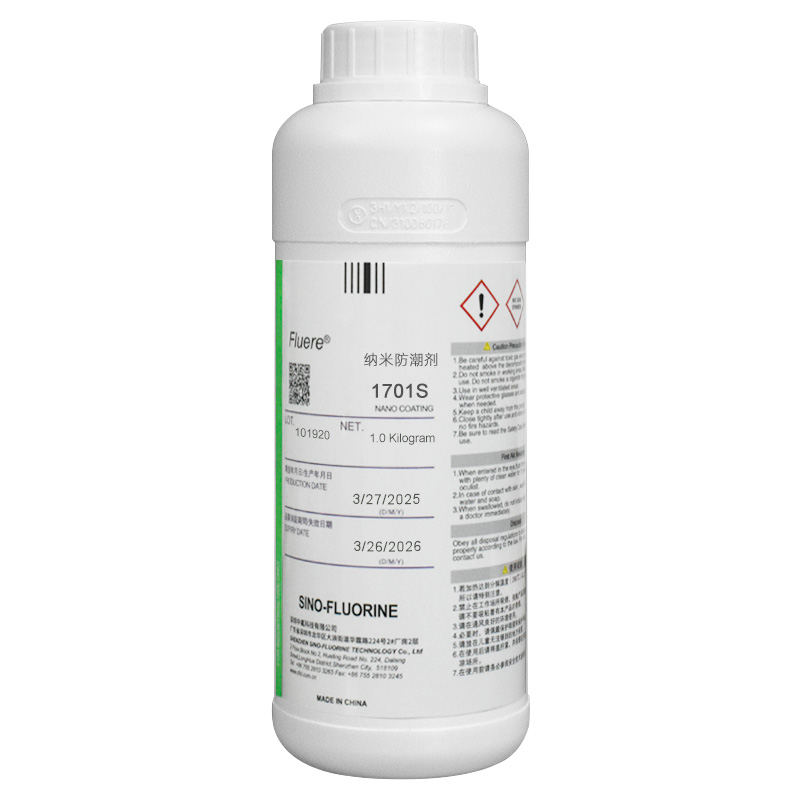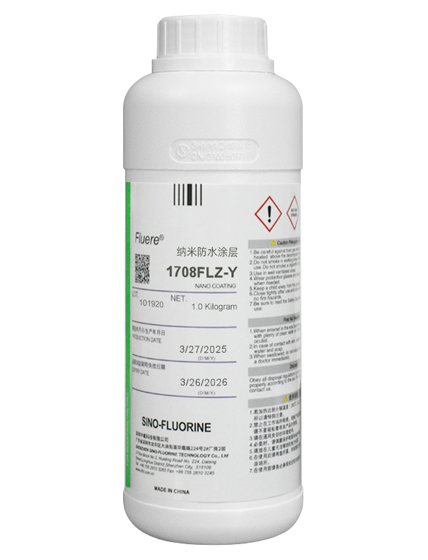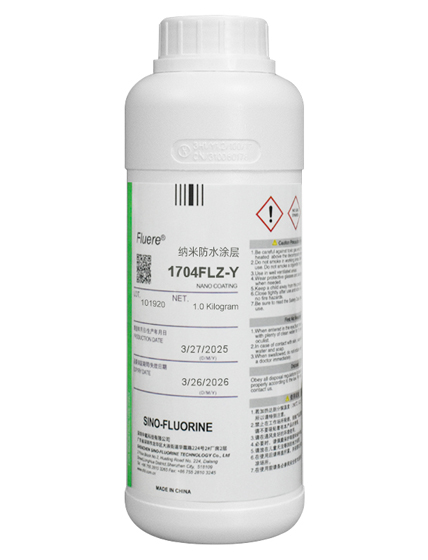

Security surveillance equipment is exposed to the outdoors for extended periods. Four types of stress—moisture and condensation, salt fog and chloride ions, sulfurous gases, and waterproofing failure—combine to corrode the camera’s mainboard, power supply board, and connectors. This leads to corrosion, short circuits, poor contact, and signal abnormalities, ultimately causing the equipment to freeze, lose video feed, or fail entirely. These faults worsen progressively, remaining hidden in the early stages before becoming severe later on. As a Shenzhen-based electronic coating manufacturer, Shenzhen Zhongfu uses ultra-thin electronic coatings ranging from 0.1 to 5 μm to establish an integrated waterproof protection system for surveillance equipment and turnstiles. This system fully seals all gaps in PCBs and connectors, providing salt spray resistance of 500–2,000 hours, sulfurization protection, and an insulation strength of 2,500 V/mil, thereby blocking corrosion pathways at the source. This article serves as the definitive guide for selecting security surveillance protection solutions, covering failure mechanisms, parameter specifications and pricing, a dedicated page on turnstile insulation, and process specifications.
Technical References: Mechanisms of Salt Spray Corrosion Resistance and Coating Design for RJ45 Connectors in Industrial Environments (Technical Post on Yewei Network) | Technical Parameters for the Full Series of Shenzhen Zhongfu Nano Waterproof Coatings
I. Industry Pain Points: Four Types of Corrosion Stress in Security Surveillance and Typical Failures
Security surveillance serves as the core infrastructure for Safe Cities, smart campuses, and community entry/exit points. Cameras operate 24 hours a day without interruption and are continuously exposed to extreme outdoor environments. Industry data shows that 13.7% of IP68 devices exhibit internal condensation after aging tests under high-temperature and high-humidity conditions. User complaints regarding “blurry images on rainy days” and “device crashes due to water ingress” account for as much as 74.3%. The failure rate of non-marine-grade cameras in coastal areas reaches 83% within 11 months, with circuit board moisture protection failure being the primary cause.
1.1 Four Major Typical Failure Manifestations
Failures caused by the failure of protective measures for electronic components in security surveillance systems primarily manifest as corrosion, short circuits, poor contact, and signal abnormalities, ultimately leading to device crashes, image loss, or functional failure. Moreover, most failures deteriorate progressively:
Corrosion leads to image loss or abnormalities: When the camera’s image sensor board and ISP processing board are exposed to moisture and corrode, the photosensitive elements produce abnormal outputs, resulting in noise, streaks, color distortion, or even a completely black screen; condensation inside the lens causes blurred images, making it impossible to recognize faces or license plates, thereby rendering the surveillance footage useless for evidence;
Short circuits cause equipment to freeze or burn out: Moisture forms a continuous film on the PCB surface, causing leakage and short circuits between adjacent circuits. Short circuits in high-current areas of the power supply board can directly burn out components, causing the equipment to suddenly freeze and become unresponsive; in severe cases, this poses a fire hazard;
Poor contact leading to signal interruptions or intermittent failures: Salt fog corrodes connector terminals, Ethernet ports, and power terminals, causing contact resistance to surge from 5 mΩ to over 100 mΩ. Video signals become intermittent, and unstable PoE power supply causes cameras to frequently go offline. Failures may appear and disappear with vibrations or temperature changes, making troubleshooting extremely difficult;
Functional failure leading to system paralysis: Sulfurization gases corrode the silver-plated brackets on LED fill light boards, resistor electrodes, and MLCC terminal electrodes. Resistance values gradually drift until an open circuit occurs, causing the fill lights to fail, infrared night vision to malfunction, and read/write errors in storage modules, resulting in the gradual loss of the entire unit’s functionality.
Industry Data: According to statistics from a third-party security operations and maintenance provider, the failure rate of electronic components in outdoor surveillance cameras rises to 42% after two years of use, with over 65% of these failures directly attributable to moisture ingress in circuit boards caused by humidity, salt fog, and sulfuric corrosion; in coastal regions, the failure rate of surveillance equipment due to corrosion is 3–5 times higher than in inland areas, and salt fog accelerates the rate of metal corrosion by 5–10 times; 58% of moisture-related failures originate at cable entry points, with corrosion at tail cable connectors being a frequent failure point; a single on-site repair, including parts, costs over 1,500 yuan, and the failure recurrence rate is as high as 40%.
Translated with DeepL.com (free version)